

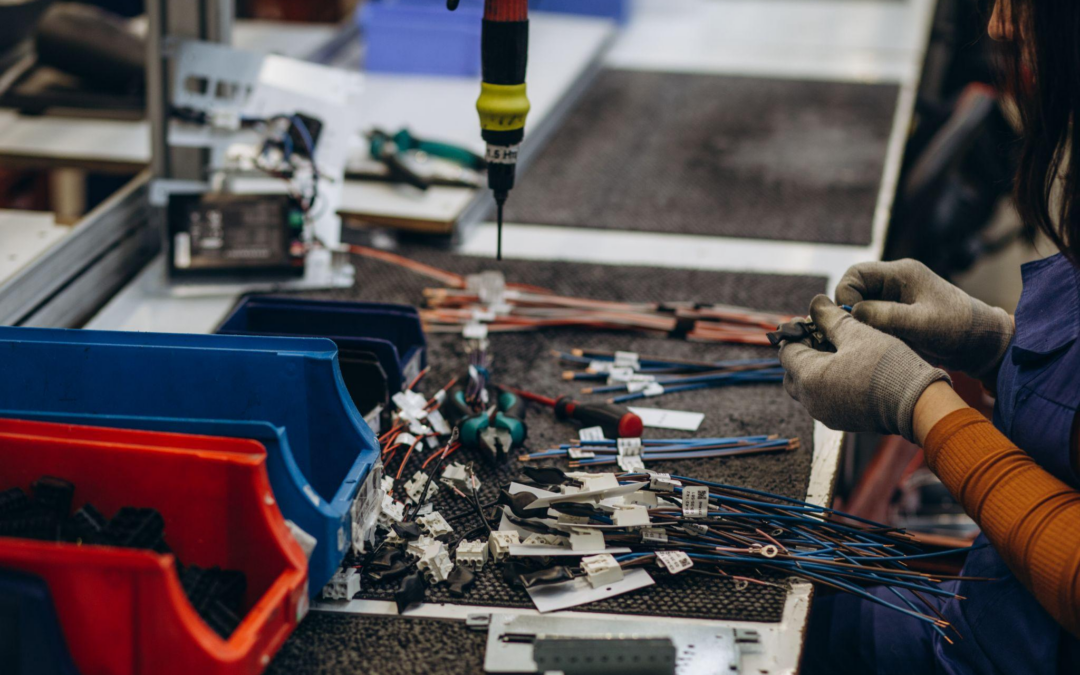
Wire harness manufacturing plays a critical role in keeping electrical systems organized, protected, and reliable across vehicles, machinery, and industrial equipment.
At its core, wire harness manufacturing is the process of organizing, assembling, and protecting electrical wires so they can safely carry power and signals between components.
These harnesses are used in automotive systems, industrial machinery, aerospace equipment, and medical devices where reliable electrical performance matters every day.
A properly manufactured wire harness helps reduce electrical failures, improve safety, and support long-term durability. Most people never notice wire harnesses until problems appear.
A sensor stops responding. The equipment suddenly shuts down.
A vehicle develops wiring faults. In many cases, these issues come from poor assembly or damaged connections. That’s why precision at every stage of production is so important.
Why Precision Is the Foundation of Reliable Wiring Systems
Every wire inside a harness has a purpose. Some deliver power. Others carry signals between components. In modern equipment, even a single misplaced connection can disrupt communication across an entire system.
Precision in manufacturing helps ensure:
- Accurate wire routing
- Secure electrical connections
- Proper insulation protection
- Reduced signal interference
- Long-term durability under vibration and heat
Think about automotive applications, for example. Modern vehicles rely heavily on electronics, especially inside advanced engine control systems.
If a harness is assembled incorrectly, sensors may send inaccurate data or fail. That can affect performance, safety features, and diagnostics.
Small details matter more than many people realize.
Precision During Design Prevents Bigger Problems Later
The manufacturing process starts long before wires are assembled. It begins with planning and engineering.
A well-designed harness considers:
Environmental Conditions
Will the harness be exposed to moisture, heat, vibration, or chemicals? Industrial and automotive systems often operate in demanding environments. Manufacturers must select materials and protective coverings that can handle those conditions without breaking down.
Routing and Space Constraints
Tight spaces require careful planning. If wires bend too sharply or sit near moving parts, wear and tear happens faster. Precision design helps avoid stress points that may lead to failures later.
Electrical Load Requirements
Different systems require different wire gauges, insulation types, and connector configurations.
Choosing the wrong components can create overheating or inconsistent power delivery.
This early design stage often determines how reliable the final product will be.
Assembly Accuracy Supports Long-Term Durability
After wires are prepared, technicians assemble the harness using connectors, terminals, clamps, sleeves, and protective coverings.
This stage requires patience and attention to detail.
For example, wire bundles must be secured properly to prevent movement during operation. If wires shift constantly due to vibration, insulation can wear down over time.
Precision assembly also improves:
- Cable organization
- Heat management
- Maintenance accessibility
- System troubleshooting
In industries like aerospace, medical equipment, and automotive manufacturing, harnesses often need to fit into highly compact spaces. There’s very little room for error.
That’s why experienced manufacturers rely on detailed assembly boards, quality inspections, and standardized production methods.
Testing Helps Catch Problems Before Installation
Even carefully assembled harnesses require testing before deployment.
Testing verifies that each circuit functions correctly and that all connections meet performance standards.
Common quality checks include:
Continuity Testing
Confirms electrical paths are complete and uninterrupted.
Pull Testing
Checks the strength of crimped connections.
Insulation Testing
Ensures wires are properly protected against shorts or leakage.
Functional Testing
Simulates real operating conditions to confirm reliability.
This stage is especially important for systems connected to engine control systems, sensors, and automated machinery.
A single unnoticed fault can lead to expensive downtime or safety risks after installation.
Good manufacturers never skip testing. They understand prevention is far easier than repair.
Why Consistency Matters Across Every Production Run
Precision is not only about getting one harness right. It’s about consistently producing the same quality.
Consistency becomes especially important for:
- Automotive production lines
- Medical devices
- Industrial equipment
- Robotics systems
- Aerospace components
Manufacturers often produce thousands of harnesses for the same application. Each one must meet identical specifications to ensure smooth installation and dependable operation.
Without consistency, maintenance teams face compatibility issues, troubleshooting delays, and performance failures.
Reliable wire harness manufacturing supports smoother production, fewer electrical problems, and stronger system reliability over time.
Build Stronger Electrical Systems With Expert Manufacturing Support
Reliable wiring starts with precision, consistency, and careful attention to detail at every stage of production.
From design planning to final testing, high-quality wire harness manufacturing helps electrical systems perform safely and dependably in demanding real-world environments.
At MBW Tech, every harness is built with a strong focus on production accuracy, material quality, and long-term performance. Our team helps businesses create dependable wiring solutions that support complex systems, enhance durability, and help products stand out through precision engineering and professional manufacturing support.